
In this special AI edition of The Deal Room Podcast, our guest AI-powered hosts, explore the three critical phases of selling a business and the risks associated with each.
The episode examines common pre-sale mistakes like “taking your eye off the ball,” along with transaction-phase complexities such as change of control clauses, and post-sale considerations including warranties, restraints, and ongoing contract obligations.
Key Topics Covered:
– The three phases of business sales and associated risks
– Pre-sale preparation and common pitfalls to avoid
– Transaction complexities including employee transitions and confidential information
– Post-sale risks including warranties and restraints
– Managing personal guarantees and contractual obligations
This episode is packed with valuable insights into the business selling process – and showcases the potential of AI! Is this the future of content delivery? We’d love to know your thoughts!
Tune in to this Ai-powered episode of The Deal Room Podcast now!
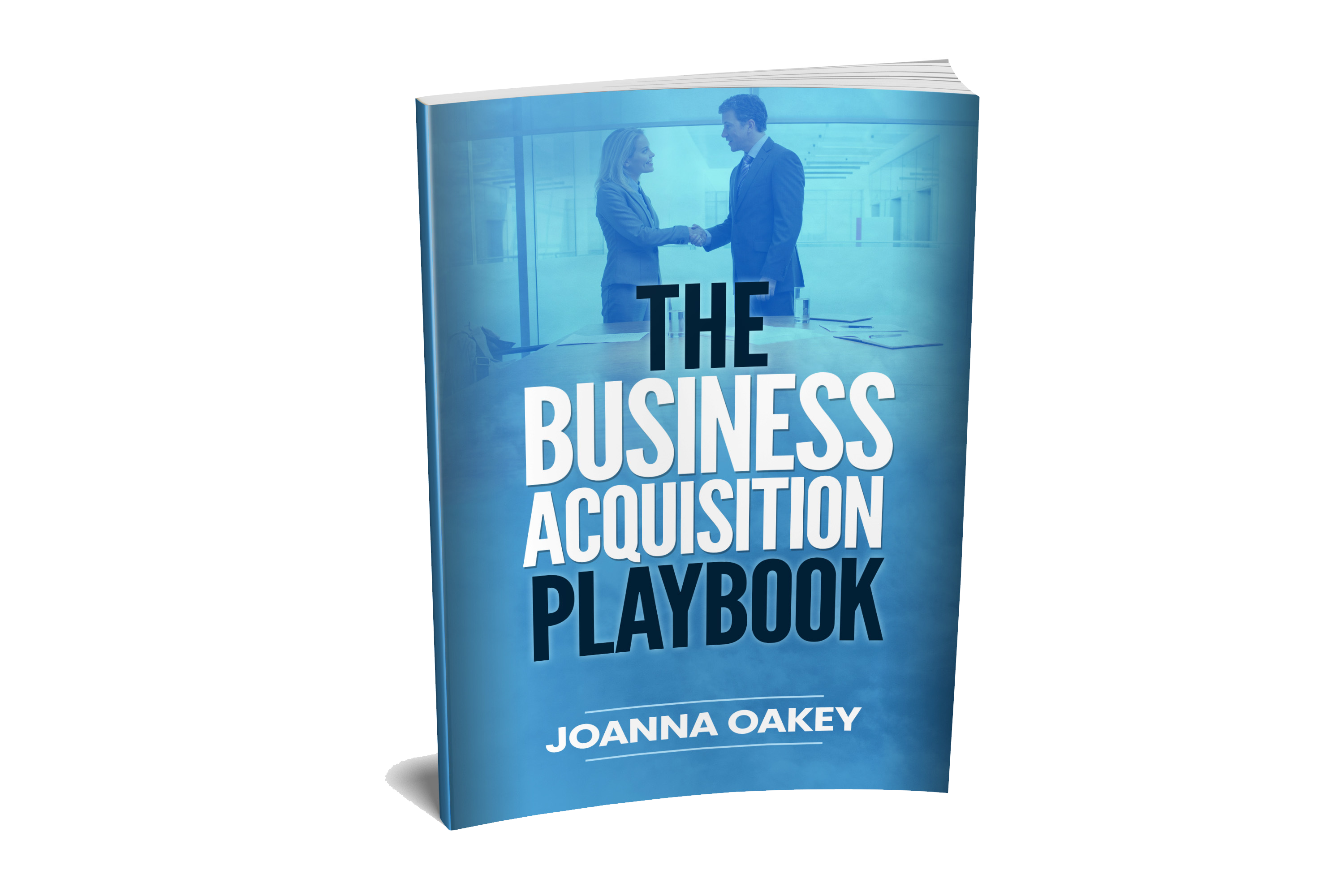
(note: In this episode, we’re showcasing the capabilities of AI. We challenged it to breakdown and discuss Joanna Oakey’s award-winning book “Buy Grow Exit.” – get your copy here if you haven’t yet! Use Code MARAI60 to get 60% off!)

00:03:17 Introduction to Business Sales Risks
00:04:02 Pre-Sale Phase Risks
00:06:54 Transaction Phase Complexities
00:08:59 Post-Sale Risks and Warranties
00:14:03 Restraints and Non-Compete Clauses
Introduction [00:00:00]:
Ladies and gentlemen, good evening. Are you ready? Okay, here we go. You’re listening to the Deal Room Podcast. Join us as we bring you the inside scoop on business, sales and acquisitions. Get across trends in the area and hear the industry’s best recount their real life tips, traps and experiences. Now, here’s your host, Joanna Okey.
Joanna Oakey [00:00:24]:
Hi, it’s Joanna Oakey here and welcome back to the Deal Room Podcast, a podcast proudly brought to you by our commercial legal practise. Aspect Legal. Now, in this episode we’re doing something different. I’m not actually talking. We’ve been playing with AI and wanted to showcase some of the incredible things we’ve seen it do. And what better way to do that than with a podcast? So in this episode you’ll hear from two AI hosts. Yes, they’re American. I know there’s an American accent.
Joanna Oakey [00:00:56]:
We live here in Australia. Ignore the accent, however, and just tune into some of these examples of what AI is capable of doing right now. Really interesting. We are in a time of rapid development. Of course, the Australian accents will be here for this AI bot in time, probably sooner rather than later. But for now we have them covering a key chapter of my book, Buy growxit, to give you a little bit of an insight into not just the book itself, but also to what AI is capable of right now and what it will be doing. So check out the show notes if you haven’t got a copy of my book just yet. In that, you’ll hear our AI host talk through my take on three key phases of the deal and common risks in each.
Joanna Oakey [00:01:57]:
That’s the pre sale phase, the transaction phase, and the post transaction phase. We’ll also talk about restraints and striking a balance between protection and flexibility, and also give a high level overview of how warranties and indemnities work. Now remember, this is my ideas, but our AI hosts taking my words and creating a podcast out of it. So I thought it was really interesting the way they did it. Hopefully you do too. I’d be really interested in your comments on this and of course, if any of this. So the use of AI, or indeed any of the things that our AI hosts are talking about sparks your interest. We have a business broker working group coming up.
Joanna Oakey [00:02:46]:
If you’re a business broker, obviously it might be relevant. If you’re not, probably won’t be. But in that working group we’ll be covering whitewashes and also doing an update on AI, the tools we’re using, what’s working and what’s not, as well as how you might be able to use it right now. So check out the show notes for the link to register. I can’t wait to hear what you will think of this one. So, without further ado, here we go with the deal room podcast AI edition.
John GPT [00:03:17]:
Hey, everyone, welcome back for another deep dive. Today we are going to be talking all about selling a business. More specifically, how to do that with as little risk as possible.
Jenny GPT [00:03:26]:
Minimising that risk. Yeah, and maximising those returns.
John GPT [00:03:29]:
Exactly. And to help us with all of that, we have Joanna Oakey’s book, Buy, Grow Exit.
Jenny GPT [00:03:35]:
Now, she is an M and a lawyer, which means she’s been in the trenches. She knows what works, she knows what doesn’t, and she lays out a really clear plan.
John GPT [00:03:43]:
Well, let’s get right to it then. Ookie breaks down the sale process into these three phases. Presale, the actual transaction itself, and then that post sale period where a lot of people don’t realise the risks can actually continue.
Jenny GPT [00:03:55]:
Oh yeah, you’re not out of the woods just because the papers are signed.
John GPT [00:03:58]:
So let’s start with those pre sale risks. What really stood out to you there?
Jenny GPT [00:04:02]:
I think one of the biggest and most common mistakes is what Oki calls taking your eye off the ball.
John GPT [00:04:07]:
Does she mean by that? Getting so caught up in the sale that you forget to actually run the business?
Jenny GPT [00:04:12]:
Exactly. And that can really backfire. You’re so busy with due diligence and meeting with potential buyers that suddenly your sales are slipping or your customer service is suffering.
John GPT [00:04:22]:
And of course buyers are going to notice that, right?
Jenny GPT [00:04:24]:
Oh, yeah. They’re going to either get spooked and walk away or they’re going to use it as leverage to lower the price.
John GPT [00:04:30]:
And if you have an earn out in your agreement where you get paid based on future performance, that could really come back to bite you.
Jenny GPT [00:04:38]:
Oh yeah, and Oakey has this great story in the book about her client Ted, who ran into a major presale issue.
John GPT [00:04:45]:
Oh yeah. What happened with Ted?
Jenny GPT [00:04:46]:
Ted had built his business relying a lot on contractors.
John GPT [00:04:49]:
Okay. And there’s nothing inherently wrong with that. Right.
Jenny GPT [00:04:52]:
But when a buyer started looking closely, they got really worried about worker misclassification.
John GPT [00:04:58]:
So they thought maybe some of those contractors should have been classified as employees.
Jenny GPT [00:05:02]:
Exactly. Which could open Ted up to all sorts of liabilities, back taxes, you name it.
John GPT [00:05:07]:
So what happened? Did the deal fall apart?
Jenny GPT [00:05:09]:
It almost did. The buyer said, look, ted, you’ve got two weeks to reclassify those 300 contractors as employees or we’re walking away.
John GPT [00:05:17]:
Oh, man, that’s a lot of pressure.
Jenny GPT [00:05:20]:
Yeah, it was a total scramble, but luckily he had a good relationship with his contractors and he was able to make it work.
John GPT [00:05:26]:
Talk about a close call. Yeah, but it just goes to show you why it’s so important to identify any potential issues before you even start thinking about selling.
Jenny GPT [00:05:34]:
Couldn’t agree more. And that includes things like reviewing all your contracts, especially employment agreements, making sure.
John GPT [00:05:40]:
Everything is up to date and in order.
Jenny GPT [00:05:41]:
Yes, because buyers are going to comb through every single detail looking for red flags.
John GPT [00:05:47]:
It’s like giving your business a full legal and financial checkup.
Jenny GPT [00:05:50]:
Exactly. And don’t forget about personal guarantees. If you’ve signed any of those over the years for leases or loans, try to get them removed before you start negotiating.
John GPT [00:05:59]:
Oh, because if those are still in place, you could be personally liable even after you sell the business.
Jenny GPT [00:06:05]:
Exactly. It’s a really important thing to consider. And you know what else? Oki really stresses the importance of vetting your buyers.
John GPT [00:06:13]:
Oh, like doing background checks and really making sure they’re legitimate.
Jenny GPT [00:06:16]:
Yes. Don’t just assume that someone who flashes a lot of cash is trustworthy.
John GPT [00:06:21]:
Makes sense. She actually tells a pretty scary story about a serial con artist who almost bought a $14 million business.
Jenny GPT [00:06:29]:
The seller was about to sign the deal when they decided to do some la last minute digging. Thank goodness they did.
John GPT [00:06:36]:
Oh, wow. What happened?
Jenny GPT [00:06:37]:
Turns out the guy had a long history of shady business practises and fraud. He was a total loaf in sheep’s clothing.
John GPT [00:06:44]:
Yikes. Okay, so we’ve covered some of the pre sale risks, but even once you found a buyer and you’re ready to move forward, the transaction itself can be pretty risky, right?
Jenny GPT [00:06:54]:
Oh, absolutely. It’s a complex process with a lot of legal intricacies, and if you’re not careful, you could end up in a real mess.
John GPT [00:07:00]:
But what kind of mess are we talking about?
Jenny GPT [00:07:02]:
One thing to watch out for are contracts with what are called change of control clauses.
John GPT [00:07:07]:
Okay, and what are those?
Jenny GPT [00:07:08]:
They basically state that if the ownership of the business changes, it could trigger a breach of the contract.
John GPT [00:07:14]:
So you could end up violating an agreement simply by selling the business.
Jenny GPT [00:07:17]:
Exactly. And that could lead to all sorts of legal headaches and financial penalties. So it’s really important to identify those clauses early on and figure out how to deal with them.
John GPT [00:07:27]:
Okay, so we’ve got change of control clauses. What else do we need to be careful about during this transaction phase?
Jenny GPT [00:07:34]:
Employee transitions are another big one. You need to be really mindful of how the sale will impact your staff.
John GPT [00:07:41]:
Because if the Buyer isn’t planning to keep all your employees on what happens to the ones who are let go.
Jenny GPT [00:07:46]:
They could potentially claim redundancy pay from.
John GPT [00:07:48]:
You, the seller, after the sale has gone through.
Jenny GPT [00:07:51]:
Exactly. So it’s crucial to have clear agreements with the buyer about how they’re going to handle those transitions. And you might even want to include indemnities in the sale contract to protect yourself from any potential liabilities.
John GPT [00:08:03]:
Indemnities. That’s definitely something I need to talk to my lawyer about. Anything else we should be aware of during this phase?
Jenny GPT [00:08:10]:
Oki also mentions handling sensitive information carefully during the sale. You’re dealing with financial records, customer lists, employee data, all sorts of confidential stuff.
John GPT [00:08:20]:
And you need to make sure you’re complying with all the privacy laws and confidentiality agreements.
Jenny GPT [00:08:25]:
Exactly. One wrong move could land you in hot water.
John GPT [00:08:29]:
Okay, so to recap the transaction phase, we’ve got to watch out for change of control clauses, figure out those employee transitions and handle all confidential information very carefully.
Jenny GPT [00:08:40]:
You got it. And it’s really important to have a good M and a lawyer on your side to help you navigate all of this.
John GPT [00:08:45]:
Absolutely. They can really be your advocate and guide throughout the entire process. Now, we’ve talked about the presale risks and the risks during the transaction itself, but you mentioned earlier that the risks don’t just disappear once the deal is done.
Jenny GPT [00:08:59]:
Even after you’ve walked away from the business, there are still things that can come back to haunt you.
John GPT [00:09:03]:
Like what? Give me an example.
Jenny GPT [00:09:04]:
Warranties are a big word.
John GPT [00:09:05]:
Warranties, like when you buy a TV and it comes with a one year warranty.
Jenny GPT [00:09:09]:
It’s a similar concept, but on a much larger scale. In this case, warranties are promises that you as the seller are making about the business.
John GPT [00:09:17]:
So if it turns out that there are hidden problems or undisclosed issues, the buyer could come after you even after you’ve sold the business.
Jenny GPT [00:09:24]:
Exactly. And those post sale warranty claims can be very expensive. That’s why Oki emphasises the importance of careful disclosure.
John GPT [00:09:32]:
So it’s all about being upfront and honest with the buyer.
Jenny GPT [00:09:35]:
Let’s just say it’s in your best interest to be as transparent as possible. She actually talks about a court case where a business was sold for $10 million, but the seller failed to disclose that a big chunk of the projected revenue was based on a government funding programme. That wasn’t actually going to happen.
John GPT [00:09:51]:
Oh, no. What happened?
Jenny GPT [00:09:52]:
The buyer sued for misleading and deceptive conduct and breach of warranty and the court awarded them three and a half Million dollars in damages.
John GPT [00:10:01]:
Ouch. That’s a hefty price to pay for not being completely transparent. So what’s the lesson here?
Jenny GPT [00:10:07]:
Don’t make promises you can’t keep. And if you are providing warranties, make sure you’re absolutely confident in their accuracy. Transparency and attention to detail are absolutely crucial.
John GPT [00:10:17]:
Okay, noted. Honesty, transparency, meticulousness, part. Yeah, got it. But even with all that, are there any other strategies that sellers can use to try to minimise the risk of those post sale warranty claims?
Jenny GPT [00:10:34]:
Oh, there are. And we are going to dive into all of that right now.
John GPT [00:10:36]:
Oh, man. Now, there are no breaks in this deep dive. We’re diving right in. What else does Oki recommend?
Jenny GPT [00:10:43]:
So, besides that comprehensive disclosure we talked about, sellers can also negotiate specific limitations on those warranties.
John GPT [00:10:50]:
Okay, so what kind of limitations are we talking about?
Jenny GPT [00:10:51]:
For example, you might say that you’re only warranting things that were within your control or that you knew about at the time of the sale.
John GPT [00:10:57]:
If something unexpected happens after you sell the business.
Jenny GPT [00:11:00]:
Yeah.
John GPT [00:11:00]:
You’re not on the hook for that.
Jenny GPT [00:11:02]:
Exactly. You’re basically saying, I’m standing behind what I know, but I can’t predict the future.
John GPT [00:11:06]:
That makes sense. Are there any other ways to limit that exposure?
Jenny GPT [00:11:09]:
Oh, yeah, there are actually quite a few. In addition to specific limitations, sellers can also negotiate overall liability capsules.
John GPT [00:11:16]:
Okay, and what are those?
Jenny GPT [00:11:17]:
Those are basically a ceiling on how much the buyer can claim under the warranties.
John GPT [00:11:21]:
No matter what happens. You know the maximum amount you could be liable for.
Jenny GPT [00:11:25]:
Exactly. It could be a fixed dollar amount or a percentage of the sale price, but it just gives you some peace of mind.
John GPT [00:11:32]:
Okay, so we’ve got limitations, liability caps. What else?
Jenny GPT [00:11:35]:
Time limits are another important one.
John GPT [00:11:37]:
Okay, so instead of those warranties hanging over your head forever, you can set a specific time frame for when the buyer can make a claim.
Jenny GPT [00:11:45]:
That’s right. So it’s like a statute of limitations for warranty claims.
John GPT [00:11:48]:
It gives you some closure. You’re not constantly wondering if somebody’s going to come back to bite you.
Jenny GPT [00:11:52]:
Exactly. And speaking of things coming back to bite you, Oki also talks about step in rights.
John GPT [00:11:58]:
Now, I remember seeing that term in the book, but can you remind me what those are all about?
Jenny GPT [00:12:02]:
Step in rights basically give the seller the ability to intervene if a warranty claim does arise.
John GPT [00:12:09]:
Oh, so instead of the buyer just handling it on their own and potentially making things worse, you, as the seller can step in and try to manage the situation.
Jenny GPT [00:12:17]:
Exactly. It gives you some control over the outcome and it can help to protect the reputation of the business you built.
John GPT [00:12:24]:
Can you give me like a real world example of how that might work?
Jenny GPT [00:12:27]:
Sure. Let’s say there’s a warranty claim related to a product line that you sold. Maybe there was a defect that wasn’t disclosed and now customers are demanding refunds with step in rights. You could potentially step in and negotiate a settlement with those customers directly.
John GPT [00:12:43]:
Oh, I see. So maybe you could offer them replacements or discounts to try to smooth things over.
Jenny GPT [00:12:47]:
It could save everyone a lot of time, money and stress.
John GPT [00:12:50]:
That’s a really interesting concept. It’s like having a safety net.
Jenny GPT [00:12:53]:
It is. And on top of step and rights, you can also negotiate specific exclusions within those warranties.
John GPT [00:12:59]:
What kind of exclusions are we talking about?
Jenny GPT [00:13:00]:
You might exclude claims arising from changes in law, for example, or. Or things that were already accounted for in the financial statements.
John GPT [00:13:08]:
Okay, so you’re basically drawing a line around what you’re willing to be held responsible for.
Jenny GPT [00:13:13]:
Exactly. And of course, Oakey strongly advises against making any warranties about future performance because.
John GPT [00:13:19]:
You can’t predict the future.
Jenny GPT [00:13:20]:
Exactly. So focus on what you can control and be upfront about any potential risks that you’re aware of.
John GPT [00:13:25]:
Solid advice. She also mentions insurance as a way to manage those post sale risks.
Jenny GPT [00:13:30]:
Oh yeah. Warranty insurance is becoming more and more common these days.
John GPT [00:13:34]:
Really? So it’s like insurance for your warranties?
Jenny GPT [00:13:36]:
Exactly. And it can give you a lot of peace of mind knowing that you’re protected if a claim does come up.
John GPT [00:13:41]:
That makes sense. So we’ve talked about a lot of strategies for managing those warranty risks. Disclosure limitations, liability caps, time limits, step in rights exclusions, and even insurance. But warranties aren’t the only post sale risk that sellers need to be aware of, right?
Jenny GPT [00:13:59]:
That’s right. Oki also talks about something called restraints.
John GPT [00:14:03]:
Okay, what are those?
Jenny GPT [00:14:04]:
Restraints are basically clauses in the sale agreement that restrict you as the seller from doing certain things after the sale.
John GPT [00:14:11]:
Okay, so what kind of things are we talking about?
Jenny GPT [00:14:13]:
The most common restraint is a non compete clause.
John GPT [00:14:16]:
So that would prevent you from starting a similar business or going to work for a competitor.
Jenny GPT [00:14:21]:
Exactly. And that’s to protect the buyer’s investment to make sure you’re not going to turn around and immediately compete with them.
John GPT [00:14:27]:
I get that. But it also seems like that could be pretty restrictive for the seller. What if their circumstances change or they have a new business idea down the road?
Jenny GPT [00:14:36]:
That’s a really good point. And Oki definitely acknowledges that restraints need to be carefully considered. She’s seen cases where sellers agree to really broad restraints and then later regret it when their plans change.
John GPT [00:14:49]:
So what’s the takeaway for sellers? How do you strike that balance between protecting the buyer and also maintaining some flexibility for yourself?
Jenny GPT [00:14:57]:
I think the key is to really think long and hard about any restraints you agree to. Don’t just blindly accept whatever the buyer proposes. Make sure those restraints are reasonable in terms of scope and duration, like how.
John GPT [00:15:10]:
Long they last and what exactly they prevent you from doing.
Jenny GPT [00:15:13]:
Exactly. You want to make sure you have at least some wiggle room down the road.
John GPT [00:15:16]:
Wiggle room is always good. Now, you know what else Oki mentioned that I thought was really interesting? The issue of existing contracts.
Jenny GPT [00:15:23]:
Oh yeah, those can be a real headache. Even after you’ve sold the business, those agreements that you signed years ago can still come back to haunt you.
John GPT [00:15:32]:
That doesn’t seem very fair. Why should sellers be responsible for contracts after they’ve exited the business?
Jenny GPT [00:15:39]:
It all comes down to how those contracts are transferred to the buyer. And Oki talks about two important legal terms. Assignment and novation.
John GPT [00:15:47]:
Okay, legal jargon alert. Can you break those down for me?
Jenny GPT [00:15:50]:
Sure. So an assignment is basically transferring the benefits of a contract to the buyer.
John GPT [00:15:55]:
Okay, so if you have a lease for your office space, you would assign that lease to the buyer.
Jenny GPT [00:16:00]:
Exactly. But here’s the thing. While the buyer gets the benefit of the lease, you news the seller might still be legally responsible if they don’t make those rent payments.
John GPT [00:16:10]:
So the buyer gets to enjoy the space. But the seller could still be on the hook if things go wrong.
Jenny GPT [00:16:16]:
And that’s where a novation comes in. A novation is a much cleaner break. It involves all the parties. The seller, the buyer, and the other party to the contract. And both the benefits and the obligations are transferred to the buyer.
John GPT [00:16:29]:
So in our lease example, that would mean the landlord would agree to release you from the lease and enter into a new lease agreement with the buyer.
Jenny GPT [00:16:35]:
Exactly. So with a novation, you’re completely off the hook.
John GPT [00:16:39]:
Okay, so a novation sounds like the ideal scenario. But I imagine it’s not always that easy to get everyone on board. Right.
Jenny GPT [00:16:45]:
You’re right. Sometimes the other party might not be willing to agree to a novation. And in those cases, an assignment might be the only option.
John GPT [00:16:53]:
So it’s a trade off. A novation is cleaner, but might be harder to achieve. An assignment is easier, but leaves you with more potential risk.
Jenny GPT [00:17:02]:
Exactly. And for smaller businesses, there’s also the option of just having the buyer enter into entirely new contracts for Things like services or supplies.
John GPT [00:17:10]:
Oh, I see. So you bypass the whole assignment ovation issue altogether.
Jenny GPT [00:17:13]:
But that only works if the existing agreements don’t involve any major ongoing obligations.
John GPT [00:17:18]:
Like a long term lease or something like that.
Jenny GPT [00:17:20]:
Exactly. Now you know what keeps coming up in all these discussions? Those personal guarantees.
John GPT [00:17:24]:
Oh yeah, we talked about them in the presale context. But they can also cause problems after the sale, right?
Jenny GPT [00:17:30]:
Oh, absolutely. And Oki says that personal guarantees can create post sale risk in two main ways.
John GPT [00:17:36]:
Okay, let’s hear it.
Jenny GPT [00:17:38]:
So first, a buyer might require you as the seller to provide personal guarantees as part of the sale agreement itself.
John GPT [00:17:44]:
Even though the company is the one being sold.
Jenny GPT [00:17:46]:
It’s especially common when the selling entity is a company. The buyer wants to know that they have recourse against the individuals behind the company if something goes wrong.
John GPT [00:17:56]:
So it’s like an extra layer of protection for the buyer.
Jenny GPT [00:17:59]:
Exactly. And sellers might be understandably hesitant to put their personal assets on the line like that.
John GPT [00:18:04]:
For sure. So is there any way to avoid giving those personal guarantees?
Jenny GPT [00:18:08]:
Sometimes you can negotiate to have a portion of the sale price held back in escrow as security for any potential warranty claims.
John GPT [00:18:16]:
So the buyer has access to those funds if there’s a problem, but they don’t have to go after your personal assets.
Jenny GPT [00:18:21]:
Exactly. It’s a way to balance the risk.
John GPT [00:18:23]:
Okay, so that’s one way personal guarantees can be a problem after the sale. What’s the other way?
Jenny GPT [00:18:28]:
The other way is if you have pre existing guarantees from running your business that haven’t been properly dealt with as part of the sale.
John GPT [00:18:36]:
Oh, like those guarantees you might have given for leases or loans.
Jenny GPT [00:18:39]:
Exactly. And the problem is that if the buyer defaults on those obligations down the line, you. You as a former owner who gave those guarantees could still be held liable.
John GPT [00:18:49]:
Even though you don’t own the business anymore.
Jenny GPT [00:18:51]:
That’s right. So it’s incredibly important to make sure that any pre existing personal guarantees are addressed during the sale process.
John GPT [00:18:59]:
You want to make sure you’re completely released from those obligations.
Jenny GPT [00:19:02]:
Exactly. Otherwise you could find yourself in a legal battle years after you’ve moved on.
John GPT [00:19:07]:
That sounds like a nightmare.
Jenny GPT [00:19:08]:
It can be. So having a good lawyer on your team to help you sort all of that out is absolutely essential.
John GPT [00:19:14]:
Okay, so we’ve covered a lot of ground here from presale prep to transaction troubles and all those post sale pitfalls. What are some of the key takeaways you’ve gotten from Oki’s book? What’s the main message that comes through.
Jenny GPT [00:19:27]:
All of this, it’s really about understanding that selling a business isn’t just a transaction, it’s a process.
John GPT [00:19:34]:
It’s not just about signing on the dotted line. There’s a lot of strategy involved, a lot of planning.
Jenny GPT [00:19:39]:
Exactly. And one of Okie’s biggest points is that you can’t just wing it. You need to have a plan.
John GPT [00:19:45]:
And that planning starts way before you’re actually ready to sell, right?
Jenny GPT [00:19:48]:
Absolutely. It starts with that pre sale preparation, making sure your business is in the best possible shape to attract buyers.
John GPT [00:19:55]:
So it’s not just about making yourself look good on paper, it’s about actually having a solid foundation.
Jenny GPT [00:20:00]:
Exactly. It’s about reviewing your contracts, making sure your financials are in order, addressing any potential legal issues.
John GPT [00:20:06]:
And another thing that really struck me was the importance of choosing the right buyer.
Jenny GPT [00:20:10]:
Oh, absolutely. It’s not just about getting the highest price. It’s about finding someone who’s a good fit for your business.
John GPT [00:20:15]:
Someone who shares your values and vision.
Jenny GPT [00:20:17]:
Exactly. Because if you sell to the wrong person, it can really backfire.
John GPT [00:20:21]:
Even if you get a great price up front, you might regret it down the road. If the buyer runs the business into the ground.
Jenny GPT [00:20:27]:
Absolutely. And once you’ve found the right buyer and you’re ready to move forward with the sale, that’s when it’s really crucial to have a good lawyer on your side.
John GPT [00:20:35]:
Because that transaction phase can get pretty complicated, right?
Jenny GPT [00:20:38]:
Oh, yeah, yeah. There are a lot of moving parts, a lot of legal documents to review, and you want to make sure you understand everything you’re signing.
John GPT [00:20:46]:
And a good lawyer can also help you with things like employee transitions and handling confidential information.
Jenny GPT [00:20:52]:
Exactly. They can be your advocate and guide throughout the entire process. And even after the sale is complete, the risks don’t just disappear.
John GPT [00:21:01]:
We talked about those post sale risks, those warranties and restraints.
Jenny GPT [00:21:05]:
Exactly. And those can be a real headache if you’re not careful.
John GPT [00:21:08]:
So it’s important to really understand those terms and negotiate them carefully.
Jenny GPT [00:21:11]:
Absolutely. Don’t just blindly accept whatever the buyer proposes. Make sure you’re comfortable with the level of risk you’re taking on.
John GPT [00:21:18]:
And of course, if you have any doubts or questions, talk to your lawyer.
Jenny GPT [00:21:21]:
Always a good idea. To sum it all up. Selling a business is a complex business process. It’s not something to be taken lightly.
John GPT [00:21:30]:
But with careful planning and the right guidance, it can be a really rewarding experience.
Jenny GPT [00:21:36]:
Absolutely. You can walk away with a nice chunk of change and the satisfaction of knowing that you built something successful and.
John GPT [00:21:42]:
You can move on to that next chapter of your life with confidence.
Jenny GPT [00:21:45]:
Exactly. If you’re thinking about selling your business, start preparing now. The more prepared you are, the smoother the process will be said.
John GPT [00:21:53]:
That is some great advice. And on that note, we want to leave you with this final thought. Imagine you’ve just successfully sold your business, you’ve mitigated the risks and you’re ready for that next adventure. What does it look like? What are you going to do with all that newfound freedom? Until next time, happy selling.
Joanna Oakey [00:22:11]:
Well, that’s it for this episode of the Deal Room Podcast. We hope you’re now primed for your next deal with these pointers and have enjoyed these fascinating insights. Now, if you’d like more information about this topic, then head over to to our [email protected] where you’ll be able to download a transcript of this episode as well as access any contact details and any other additional information we referred to in today’s podcast. Now, if you’d like to get in contact with our guests today and the services they offer, you can go ahead and check out our Show Notes for a link right through to them and their details. You can also book in directly with our Legal Legals at Aspect Legal. If you’d like to soundboard your next steps, discuss a legal question, or find out more how we can assist, whether that’s with buying or selling a business, or perhaps somewhere in between. Now, don’t forget to subscribe to the Deal Room Podcast on your favourite podcast player to get notifications whenever a new episode is out. We’d also love to hear your feedback, so please leave us a review and rating if if you’re already one of our subscribers, or even if you’re listening to this podcast for the very first time, every review helps our team produce valuable content for you.
Joanna Oakey [00:23:29]:
Well, thanks again for listening in. You’ve been listening to Joanna Oakey and the Deal Room Podcast, a podcast proudly brought to you by our commercial legal practise, Aspect Legal. See you next time, ladies and gentlemen.
Joanna Oakey [00:23:43]:
Ladies and gentlemen, that will conclude this evening’s entertainment. Thanks for listening to the Deal Room Podcast. To find out more about this episode and other episodes in the series, check out the show notes or head over to our website at thedealroompodcast.com.au.
Disclaimer:The material contained on this website is provided for general information purposes only and does not constitute legal advice. You should not depend upon any information appearing on this website without seeking legal advice. We do not guarantee that the contents of this website will be accurate, complete or up-to-date. Liability limited by a scheme approved under Professional Standards Legislation