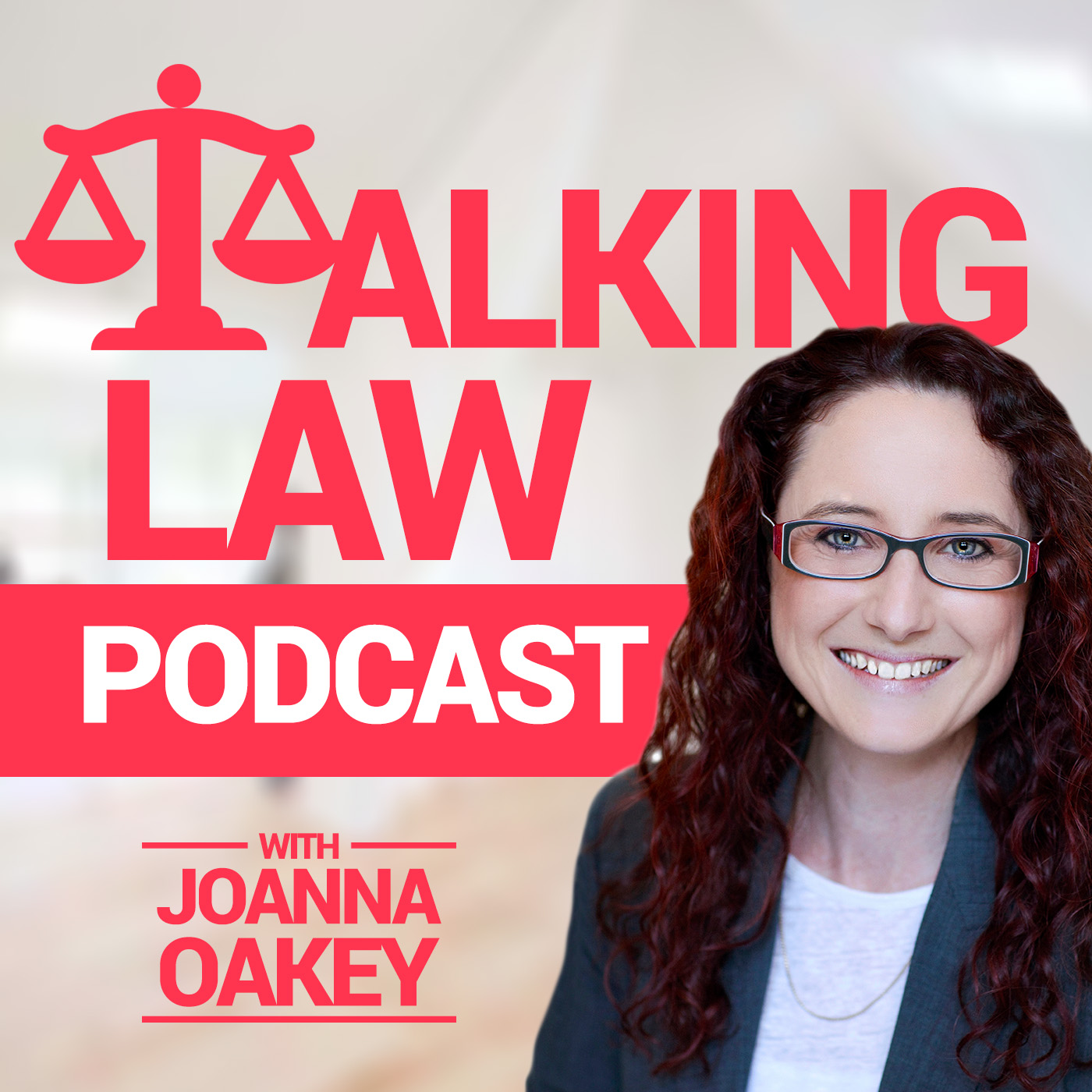
In this episode of The Deal Room Podcast, host Joanna Oakey is joined by Dr. Michael Filosi, who took a struggling dental practice in Adelaide and built it into the biggest in the city before selling to private equity in 81 days flat, with no clawbacks, no earn-outs and no retention period.
In this episode (Part 1 of a 2-part series), they cover:
- How Dr. Michael removed himself from the business so it could sell without him
- The 4 types of business assets most owners forget to build, and the 1 they usually miss
- Why clean books and a fast turnaround on financial information mattered as much as price
- The competitive process he ran to get multiple private equity firms bidding against each other
- Why he saw a psychologist before selling, and what he was actually testing for
This conversation is essential listening for business owners thinking about an exit, and for anyone advising them. It’s a grounded, practical look at what it actually takes to build a business someone else wants to buy.
Tune in now on The Deal Room Podcast.
ABOUT DR. MICHAEL FILOSI
Dr. Michael Filosi is a dentist who bought a struggling dental practice in Adelaide in 2015 and spent 10 years building it into the biggest dental practice in the city, growing the team from 5 to 35 people. He deliberately stepped back from clinical work to run the business rather than work in it, taking his own share of practice billings down from 40% to 0.6% before he sold.
He sold the practice to a corporate buyer backed by private equity, in a deal that closed 81 days after his first conversation with his accountant, with no clawbacks, no earn-outs and no retention period. Michael ran the sale process himself, without a broker, mapping out the private equity firms active in his market before he made an approach. Since selling, he’s taken time to recharge and is now looking at further study in orofacial pain.
Connect with Dr. Michael Filosi:
- LinkedIn: www.linkedin.com/in/michaelfilosi
- Website: https://michaelfilosi.com.au/
Episode Highlights
0:04 – Podcast Introduction
1:47 – From Dentist to Owner
3:36 – Learning Business on the Fly
5:28 – Board Games and Strategy
8:43 – Building for an Exit
10:39 – Removing Key Person Risk
12:24 – Systems That Sell
15:58 – Finding Private Equity Buyers
19:34 – Choosing the Right Buyer
23:09 – Clean Books, Better Price
24:39 – Thinking Like a Buyer
28:51 – Setting the Market Price
30:46 – Avoiding Deal Fatigue
36:08 – Selling the Business Baby
39:38 – Processing Life After Sale
Note: this transcript was generated automatically, so it will contain errors. It’s here as an easy way to scan for anything relevant to you, not as a word-perfect record of the episode.
(0:25) Joanna Oakey: Hi, it’s Joanna Oakey, and welcome back to The Deal Room Podcast, a podcast proudly brought to you by our commercial legal practice, Aspect Legal. In this episode, part one of our two-part series, I’m talking with Dr. Michael Filosi, founder of Fullerton Park Dental, who took over a struggling practice and built it into the biggest dental practice in Adelaide before selling to private equity in 81 days flat. You can find him on LinkedIn, too, via the link in the show notes. So, in this episode, we cover how he removed himself from the business so it could sell without him, the competitive process he ran to get multiple private equity firms bidding against each other, and the emotional side of walking away from something he’d built for a decade. I really enjoyed this discussion with Michael. He’s got such a great story. And I have to say, this is genuinely one of my favorite conversations we’ve had on the podcast. So let’s dive in. Michael, can I just say a huge thank you for coming on to The Deal Room Podcast today. I’m so excited for this conversation.
(1:33) Michael Filosi: My pleasure. Me too. I’ve been looking forward to it.
(1:35) Joanna Oakey: Oh, I love it. I love it. I love it. Okay. So why don’t we just start with, why don’t you tell us your story? Where did you start? What happened? Where did it end? And then we’ll drill into some bits of it.
(1:48) Michael Filosi: I like the drill, the dental pun right off the top that’s good so yeah so i’m a dentist by profession i graduated with a dental degree from adelaide university in 2006 i worked for 10 years as an employee dentist then i bought my own practice here in adelaide uh in 2015, Um, it was super rundown, right? Like the practice I bought, literally nobody wanted. I tell the story. It had like possums in the walls. I had this hole with this fur and I like touched the fur and it moved. I was like, what the heck is that? No, it’s a possum. I’m like, what do you mean it’s a possum? Like this is a dental practice, you know, this shouldn’t be happening. So I fell in love. I loved it. And I was so keen to, to, to build it up and do what I can. So in 10 years, I went from being a, a wet finger dentist. And then I gradually moved off the tools. We did two significant renovations to the property. I bought the building. We bought next door. We demolished that, turned it into a patient car park. We went from five to 35 odd team members. I was off the tools at the end, so I was no longer seeing patients in my own right. I was still insured and registered and all those things, so I could jump in if need be. But I was running the business and I was sort of drawn to running the business side of things. So I bought the practice. Not many people can say they’ve had the worst in their industry and then the best. So I can. I bought the worst and I sold it and it was the first. It was the best and biggest in my city and sold out to private equity last year. So on a deal that, yeah, on a deal that it was, you know, no clawbacks, no retention period, no earn outs, I didn’t. They were, yeah, I walked out and that was it.
(3:15) Joanna Oakey: I love it. Okay. And this is exactly why I’m so excited for this discussion. So actually, I want to start right at the beginning when you bought the business because many of our listeners are at that point. So let’s talk about that. What did that feel like? First time buyer hadn’t run a business before, I’m assuming. Is that right?
(3:37) Michael Filosi: That’s exactly right. So I was sort of, you know, in dental school, you learn so much about dentistry, but nothing about business. And I actually went back to start off studying an MBA. I didn’t finish it, but there was some good stuff out of that. But ultimately, I realized you can learn using the analogy of skateboarding. You can watch all the skateboarding videos. You can read books on skateboarding, but at some point, you’ve got to put two feet on the board and give it a crack, and you’re going to make mistakes. And it was the same with business. So I realized instead of just studying this thing, Michael, you’ve got to jump in. So I do feel for the listeners who either bought a business or looking at buying one, fortune turns on small moments. I found out about the practice I bought from a coffee with someone. And I said, I said, do you know any for sale? And he said, yeah, there’s one on Fullerton Road. It’s pretty run down. And I knew what he was talking about. And I literally went from the coffee and I drove straight there and knocked on the door and said, hi, I’m Michael. I hear I might be able to buy in. And the rest is history, as they say. So, you know, don’t wait for it to land in your lap. Try and do something that sort of, you know, take the initiative, and try and, you know, control everything you can control. So, but no, I definitely didn’t. I hadn’t run a business before. It was my first time. I think when I’ve been in touch, so, I very quickly figured out it was something I wanted to learn more about though, not in a formal way, but in an informal way. And I’ve got your book, Joanna, and it’s somewhere in, I’ve read my height and business book. So for those watching, I’m six foot six tall. I’m a big guy, 198 centimeters. And behind me on the video there, there’s the stack of books that I read on business because I thought if I’m going to be doing this thing, I might as well try and get better at it. So that’s kind of how it started out.
(5:03) Joanna Oakey: I love it. What a story. Okay. We might even come back to buying soon, but I know everyone will be very keen to hear about the journey first, and maybe then we’ll retrace our steps a bit. Sounds good. So you purchased a business, hadn’t run a business before, you’re in there. What did you do first, or how did you know how to build it up?
(5:29) Michael Filosi: So yeah, it’s a really good question. So I reckon there were two things that fundamentally helped like kind of give you your spidey sense, I guess. And the two things were my father was a motor mechanic. So I’d seen someone with a small business before and I didn’t realize it at the time, but kind of seeing the priority he put on looking after his customers, was really important, how he spoke to them, how he really put their needs first. So I think that kind of gave me a head start. I think as soon as I started off, I realized the value, you know, your patients pay your bills. So you got to make sure you look after them. So that was the first thing. And I think the second thing was playing a lot of board games growing up. So I think that I was, you know, I’m competitive by nature. I love playing board games and it teaches you so much. It teaches you about strategy. It teaches you about how to win with grace, how to lose with dignity. It teaches you how to negotiate. You know, it teaches you that if you burn someone when you’re, you know, playing Monopoly with someone, they’re not playing with you again. So I think that that was a pretty firm grounding for me in business, to be honest. Like a lot of those same principles I could apply you know it was just sort of like you know you play as a kid for fun but then in the real world you know you’re playing with the big boys and girls and I was able to apply it to business so that’s kind of I think I was fortunate in that sense to kind of have those two groundings the dad with a small business and then having played board games and kind of understand the cut and thrust of of how to negotiate and when you’re behind what to do and how to play when you’re in front as well all those sorts of things, I found super helpful I.
(6:52) Joanna Oakey: Love that answer. You were literally, like actually literally, I’ve been running this podcast, Michael, for eight years now. You were the very first person who has ever answered that question with a board game reference.
(7:05) Michael Filosi: There you go. Look, there’s a first for everything. Look, there might be, I might not be the last time we chat that I’m the first one to answer something a certain way. So I love that though. You know, I’m sort of a bit of an outlier. So yeah, it’s, it’s, it’s, but yeah, it’s the truth, you know, and I think in time at At the time, I didn’t realize it. I just thought it was fun to play board games, you know. But as you get older, you think back and you’re like, I think that really helped me, you know. Like I think all those times around the dinner table and, you know, weekends playing board games, you go, I learned a lot doing that, you know. Like I think it really, it taught me a lot. And it meant that I honestly felt an advantage when it came to playing the game of business. I felt like I knew what I was doing. I knew how to approach negotiations as much as anything, you know, because I’ve been doing it my whole life. And I, you know, iterated so much and you figure out, you know, what happens. If you push too hard, you figure out what happens. And if you don’t push hard enough, you figure out what happens. So you learn, you know, different people’s negotiation styles. You learn how people like to be treated and different levers for different people in different situations. So, yeah, like quite truthful, I think it kind of just seemed to be wired into my brain to some degree how to do it from, yeah, from good old Monopoly.
(8:15) Joanna Oakey: Love it. And by the way, I used to love Monopoly as well. I’m seeing a lot of, yeah, yeah, yeah, similarity.
(8:22) Michael Filosi: What was your favorite one? What did you start with? Mine was the car. It had to be the car.
(8:25) Joanna Oakey: The car? Yeah. Oh, gosh. I think I like the top hat.
(8:29) Michael Filosi: Yeah, cool. Yep, classy. That’s good stuff.
(8:33) Joanna Oakey: Um, okay. All right. So, so you built the business up. And so when did you get to the point of thinking you were building this for sale? Is that what you thought?
(8:44) Michael Filosi: Look, it’s a really good question. So I think, you know, it’s kind of odd that I was almost always obsessed with how to exit, you know, like when I’d go to business courses and conferences, just about the second words out of my mouth after introducing myself is like, how are you getting out of this? You know, what’s your exit plan? What are you going to do? And even though, you know, dentists I was 41 when I sold and dentists worked well into their 60s and 70s you know and and I was always kind of mindful of like I need a path out not just a path in and I read Built to Sell by John Warrillow which is a really important book um, and that kind of set it up for me of like just you need the business always to be sale ready so I actually never had my I didn’t anticipate and I’m happy to chat more about the sale process but I thought I’d be doing it for another 10 15 maybe 20 years. I didn’t anticipate it until I did. But then when it hit me, I was like, I want to sell. I was fortunate or slash it had planned it well that it was very, very sellable at that point. So it was literally 81 days between when I emailed my accountant to say, I think I might want to sell this thing. And I didn’t have any buyers on the hook. I hadn’t made any inquiries. And 81 days later, the deal closed. So you would know how warp speed fast that is, right? So that included going to market finding buyers them flying in from the east coast meeting with them showing them through information memorandums provide them with information then period of exclusivity negotiation them signing off on everything and the money in the bank so it was just like that 81 days isn’t is, incredibly fast. So I think, you know, it didn’t happen by chance, right? It happened because, and it wasn’t a fire sale either, right? Like there were all a lot of really, really healthy offers. So it was just the business was, it was a turnkey solution. That was how I sort of positioned it to them because, you know, it wasn’t key person dependent. And I think right from the start, I’d endeavored to build a business that didn’t rely just on me, that it was a true business and a true sense of it being a business as opposed to just a high paying job.
(10:33) Joanna Oakey: Yeah. And so, what were some of those moves then that made it a business that didn’t rely on you?
(10:39) Michael Filosi: So, for starters, you have to remove key person dependency. Okay. So, that is absolutely critical. I think a lot of professionals, so lawyers, dentists, doctors, you know, we’ve got a fair ego sometimes and we need to be the man or the woman and, you know, capital T, capital M or W. And I say like, it’s great for your ego, but it’s horrible for your bank balance when you go to sell and deliver this enterprise value at the end, right? So for me, it was like, I can’t be the main man. If this thing relies on me, anyone who buys it needs me to stick around and I don’t want to do that. So I went from, I was billing 40% of the practice billings and I gradually, excuse me, transitioned from four clinical days a week to three to two to zero. And then my billings by the time I sold was 0.6% of the practice revenue, which is a rounding error really. So I could very fairly say, hey, you know, instead of having the golden handcuffs on and saying, right, I will buy it, but here’s your terms, you just stick around for three years, four years, five years. I can demonstrate to them this is a true… Turnkey business. No one in the business build more than 17% of the revenue. So I think it’s removing that key person dependence. So you truly have a genuine business. And I think that if you’re still involved, one definition of a business, if you’re still involved in the technical delivery of the technical service you’re providing, it can be argued, are you a true business owner or not? Whereas I was not doing the dentistry anymore. Now, there’s always varying degrees of that as well. You can have business owners who do a little bit of the technical work, but also focus on the business, whereas I wanted to remove myself from that technical aspect and truly be what you call a. So, my income didn’t come from my own hands as a dentist. They came from the business profit entirely.
(12:14) Joanna Oakey: And was that the, I mean, obviously that is a critical component of building a business that’s highly saleable, but were there other elements as well? I’m sure there were a lot.
(12:24) Michael Filosi: Yeah. So, systems and procedures. So, there’s only four assets in any business, right? Four types of assets. So, that can be the fish and chips shop at the end of the street or Microsoft, right? So, the four assets, you’ve got your physical assets, which is your, for us, the dental chairs and all those things, which are very expensive, right? So, you’ve got your physical assets, you’ve got your goodwill, so the value of the patients, the reliable income coming in, you’ve got your staff assets, and then you’ve got your intellectual property, okay? So, we had a thriving, we absolutely had all the equipment, but I think the intellectual property was a thing that set us apart, okay? So, we genuinely, and everyone forgets about that, everyone focuses on those first three, the physical assets, the staff, and then your goodwill, but they forget about, hey, what IP do we have? We had 400 plus five-star Google reviews, an average of 5.0, for instance. The buyers get that, and that stays up there. That’s going to attract a lot more people coming through. We developed an intranet for the business. Every single role, I didn’t have to spend time telling people how to do their job. I’d refer them to this. And it was called, you know, how we do and then the role. So it’d be dentist, dental hygienist, receptionist. And they were all expected to look at it and watch it beforehand, right? And we had, you know, the golden rules of role. So I wanted to make really clear these things and front end all those things. So it meant that legitimately we didn’t have to spend quite as much time on training people because we had all those assets, right? And those assets were very, very valuable as a business owner in upskilling people. But then they also hold value for the buyer as well because they’ve got some systems and procedures and things that they can then, when they purchase the business, they came with it. So it means that they can then continue to scale that rather than having this big dip. So yes, removing key person dependency, but having the systems and procedures all documented. Ours was all online. It meant that anyone could access it from within the practice. And it was really clear on what the expectations were. So when people joined the practice, they would hit the ground running. And the questions I’d get, it didn’t remove questions, but the questions I’d get in the first week were what I’d normally get two years in, which is great. It removed all those, you know, how do we put the bins out and what do we do with this and what do we do with that? They came in and people like goalposts. So they knew where the goalposts were. I made it explicitly clear. Here’s my expectations of you. And when it came to selling, absolutely all those things are of value because I could demonstrate this is not an ordinary business. You know, you’re buying a very high quality business with amazing, um. Yeah, an intranet and all sorts of other assets that are of value that will allow you to carry on this business going forward, even in the absence of me. So I’d strongly endorse that anyone listening, yeah, it’s a long tail, right? You do it and you think, what the heck was that for? It’s like going for a run. You go for a run, you feel terrible and you’re like, what did I do that for? I don’t feel any fitter. I still look the same. But you string enough of them together and you start to see the difference. So you’ve got to persist with that long enough to get to the other end.
(15:02) Joanna Oakey: And how many years was that between when you bought it and that point where you walked into your accountant’s office and said, I want to sell?
(15:11) Michael Filosi: 10 years.
(15:12) Joanna Oakey: 10 years. Okay. Correct.
(15:14) Michael Filosi: It was a decade sprint, not a marathon. It was just, I just was all out every spare moment, you know, like I didn’t manage it well, you know, the work life balance thing didn’t happen. Right. So I was just completely invested in it. Um, so yeah, 10 years from buying it with the possums and the walls and then selling out with getting offers from a whole number of private equity firms at the end yep go to woe.
(15:33) Joanna Oakey: Love it okay all right so walked into your accountant’s office or sent an email um whichever it was and then said i want to sell what happened next
(15:43) Michael Filosi: Yeah sure look i think that the the sending the email is almost sort of symbolic as much as anything like it sat in my inbox for the morning i’m like if i send this it’s happening right like i know my personality type, So from there, like I kind of, for me, I’m wired a bit differently, right? And I took it upon myself to find the buyers and I knew who they were. They were, it wasn’t going to be, it was too big to sell to one or two dentists. It was just like herding cats, right? So I knew they were, it was going to be selling to what we call a corporate, which is basically a very large firm that’s backed by private equity. So I went through LinkedIn, I found the names of the, I knew there were seven different private equity firm or backed private equity firms in the market. One of them had just being bought out. So I took it to six. One of them I didn’t trust. That took it to five. One of them I called up and had a lovely chat, but he basically said, speak to the rest and come back to me. I thought, no, if you’re not going to engage with me, you can go back in the pack. So then there were four different firms that all flew in and met with me on site in the. And hidden in plain sight. And I showed them through, gave them the figures, gave them the information memorandum, explained my term, which was that I want it to be walk in, walk out. And I ran it like a race. So I said to them, you know, here’s, I wanted competitive tension. So as a buyer, you don’t want competitive tension. You want to be able to run it out and string it out. As a seller, I absolutely wanted competitive tension. So I let them know, you know, there are other people sitting in that seat yesterday and there’ll be some different ones tomorrow. You know, put in, sharpen your pencils, put your best offer in because it’s absolutely a competitive process. I gave them a deadline and when I needed their best offer in. From there, they all arrived. And I remember getting the first one and then the second, the third. And one of them called me up and said, look, we’re just in no fit state to be in a position to offer. They were one that had bought out another place. So it ended up being three of the four put in. And they said it won’t be till January, which is four months off. I said it’ll be sold by then. So yeah, I had the offers and then I sort of negotiated from there. And then you go into exclusivity and away you go from there. So I ran it fast. I ran it myself and I ran it as a competitive process to get the best deal.
(17:42) Joanna Oakey: Love it. Okay. And how long, what was that deadline you gave them for making the first offer?
(17:47) Michael Filosi: Yeah, I think it was a couple of weeks, right? So I think that, you know, it was a couple of weeks. So they need the big broad brushstroke information on which to base, their offer, right? So we provided that all to them. I worked closely with our bookkeeper to go look this is the information we need, um so we got all that to them as quick as we possibly could right so i think it was a couple of weeks basically i met with them within a period of that 10 days and then i gave them i think it was from the last when the last one came through i gave them two weeks to it might have been even a week and a half to get their best offering so that was how i i did it and i wanted them all working to that deadline and i could kind of you know i could oversee the race and i could see all the horses running they couldn’t see what each other were doing but i i i knew.
(18:29) Joanna Oakey: I love it. I love it. And so, when they made offers, how many rounds of offers did you get out of it?
(18:35) Michael Filosi: Yeah. Look, there’s always negotiation in there, right? And so, I was pretty clear. Like I said, look, I don’t want to muck around. And I said, you know, I’m selling this thing, right? Like it’s not, I’m not here to kick tires or get a value. Like it will be sold. And I said, there are others bidding on it. So, don’t muck around trying to lowball like it ain’t going to happen. But yeah, sure. They all put in their offers and you still negotiate a bit, you know, and you kind of get to the point. In the end, I figured out who I wanted to sell to and I just kind of said, look, here’s what the price is going to need to be. I’d rather sell to you, but you’re going to kind of have to meet me here. Otherwise, if not, that’s okay, but this is what it needs to be. That’s where the market sets the rate and, they went away to the board and then came back and said, yep, deal. So yeah, that’s kind of it. It was clearer to me. There was probably a hierarchy of the three of them in terms of who I wanted to sell to, I guess. Yeah, and that’s the one I ended up selling to.
(19:30) Joanna Oakey: So, what was that key deciding factor? What made you choose one buyer?
(19:34) Michael Filosi: There’s a couple of things. I think culturally they’re going to be a good fit. But I also think, honestly, buyers put far too much emphasis on keeping their staff happy with this. You have invested so much time and effort and money into it. And your staff can come and go and you can’t. So, you do the right thing by you. The staff will do the right thing by themselves. That’s fine. They’re entitled to do that. But when it comes time to sell, make bank, right? You need to do that. And they can come and go as they want. But don’t stuff about trying to set it up for the next person. And all the prospective buyers go, oh, we’ll look after your staff and your patient’s best. And I said, here’s the thing. I said, every single person who sits in that seat is going to tell me exactly the same thing. You’re all going to tell me how well you’re looking after. So it’s actually unquantifiable. I don’t know. Maybe you will, maybe you won’t. But either way, I can’t tell. What I can quantify is money. So that’s what it’s going to come down to because you’re all going to tell me you’re going to do the right thing. But I actually can make no assessment of that at all. But I can make an assessment on the dollars in my bank account there. So, that’s what the offer will be broadly based on. So, that’s kind of how I approach that. Part of the negotiation. And I also, for my end as well, I wanted it to be the corporate that I knew could close deals, right? So what they’re expecting with their due diligence and things was slightly different. Some of them, they all wanted lots of information, right? But some of them, it was enormous amounts of information, right? And I also knew that the one I sold to, I knew they could close deals. I knew they’d bought other practices. So they’d gotten to that end point, right? So getting the email with the offer is one thing, but it’s another thing for the money to hit your bank account. So I knew through knowing the market and going, this group can get to the very end. And ultimately, that’s what matters. So do I start out for a little bit more with someone else, but the staff might not like it or I drag it out to no end or whatever else? Or do I go, I know that these people are one, acting in good faith, but two, they get to the end point, right? The money will hit my bank. So that’s kind of how I made that decision, I suppose.
(21:18) Joanna Oakey: That’s interesting because there’s many different factors in, you know, sellers weighing up buyers and audits and which will work best for them. Obviously, you were very clear right from the beginning about what your non-negotiables were and we’ll talk about those in a moment. But interesting hearing you talk about how you chose the winning buyer, but it sounds like it was about speed and certainty for you of transaction.
(21:50) Michael Filosi: Totally. You’re exactly right. You hit the nail on the head. That’s exactly right. They were absolutely big factors for me. You know, the offers were all closely banded. They’re all within about 5% of each other, Joanna. So there wasn’t an enormous, I mean, it’s still a lot of money to be honest, but it wasn’t like they were absolute poles apart or one, you know, someone didn’t offer me a godfather offer, the rest couldn’t get near. It was, they were fairly closely banded. So yeah, absolutely. Like the certainty of knowing that was very, very much a consideration for me in the process. Absolutely, it was.
(22:20) Joanna Oakey: Interesting. Okay. And you also made reference to the length of the DD list or the detailed nature. I presume out of that, but maybe I’m wrong, tell me that your final winning bidder wasn’t the one with the longest list, is that right?
(22:40) Michael Filosi: No, definitely not. So, the one with the longest list was the second one. And I mean, maybe we could have got there, maybe not. We’ll never know. But they all have to go into a the detail up but one of them was excruciating I was like my goodness like this is insane so you know I wanted to that’s where and it became clear why the first group could close the deals because I think it probably was prohibitive some of the information they were asking for that second group um so yeah that was yeah who wanted the most in the due diligence and what they were asking for was pretty fair just on that point I think that you know one of the things that. Having really clean books becomes so important when you go to sell your business, right? So yeah, there’s add backs. But when I said to my, and we went through it all and I was like, look, how clean are these books? Like, I don’t know. This is my only business, whereas you deal with lots. He’s like, yeah, the thing is as a business, you want to make it as easy as possible for your clients to do business with you. You want to reduce friction as much as possible. So we wanted it easy for patients to park, easy to make an appointment, easy to pay. Then when it came time to sell the business, I wanted it as easy as possible for the potential buyers to appraise and pay for my business. So that means the less creepy crawlies in the books, the better. I wanted them to very clearly see what the profit was. They can then, what their likely repeatable earnings going forward would be. And then they can bid with confidence. So it’s kind of this inverse situation where I didn’t want to have to explain away a whole lot of things because that adds risk. And with risk, the price goes down. So we had very, very clean books. It was super obvious what the practice was making and then therefore they can bid with confidence knowing what they’re getting. So I think that’s another recommendation to your listeners as well is the cleaner these things are, tidy it up, make sure it’s crystal clear, you know, put all your cash through the bank, through the accounts, you don’t have to, like it just was so easy from that end and it facilitated a quick and easy sale was the fact that everything was squeaky clean.
(24:26) Joanna Oakey: Interesting. As you’re talking about this, I can hear in the way you’re explaining that you have a good understanding of the financial considerations of a buyer. So where did that come from?
(24:39) Michael Filosi: I think, you know, I like a dollar, you know, so that’s for sure. So I think I’m a massive nerd by nature, Joanna. So as soon as I started earning my first dollar, I remember, you know, I got subscriptions to three different property investment magazines and read everything I could. You know, I’ve read an enormous amount of finance books and things like that. And so, you know, I, again, to use that dental pun, like I drilled down a lot on these things of interest to me. And I, I think I hold the view, you know, no one, no one cares more about your money than you do. Right. So you might as well like educate yourself. Okay. So I had the technical aspect of dentistry, but also I wanted to figure out what do you do with the money afterwards? How do you keep the money afterwards? What do you do with it? So I very much, I understood the process, right. And I understood from their point of view, what they wanted. I did put myself in their shoes of like, what are they going to want? What’s important to them? Even in advance, I would talk to people who sold dental practices into media as a conferences. And I would say to them, what do buyers look for? You know, this is five years before I sold. And I wanted to make sure that I was ticking all those boxes. So the fact that I own the building as well was a huge upside for them because they knew they wouldn’t have to negotiate with a separate party for the lease. And the fact there was no key person dependency. So I was attuned to what ultimately would make a sellable practice right from the very start. And you kind of know where your North star is you know which way to go and i just gradually move towards it so you have to in the back of your mind you need to give thought to that of like yeah who’s gonna buy it what’s it gonna look like um how do i make it attractive to buyers.
(26:01) Joanna Oakey: Do you know, it’s interesting that you say that because I find so few people actually approach building a business that way. I love it. In fact, that’s one of the themes of the book, you know, the book that I wrote. But I love it. But I love that you, one of the things you said just then was that you went and talked to people who sold businesses. And I think that’s a bit of a killer strategy. Because, you know, my guess is you probably picked up a massive amount of knowledge from that.
(26:33) Michael Filosi: Totally. You know, and you’ve got to be a curious soul, right? Like in business and I very much am, you know, my wife says I ask too many questions and she’s probably right. But like I do, I engage fully with life and I try and get as much out of things as I can. And of course, I’m always polite, right? Like I’m not getting, you know, told to jack off. So, you know, get rid of whatever the word is. I’ve minced my words there, better be careful. This podcast just took a different turn there. But no, rack off is the word I’m after. So, oh, that’s classic. Anyway, so yeah, they’re not telling me to rack off and go away. But you’ve got to show that curiosity. You’ve got to show that curiosity, right? And you’ve got to be interested in these things. But like I knew ultimately the time was going to come, whether it be six months or 30 years that I would have to sell. So I thought it was incumbent upon me to know these things. And I’m a learner at heart, right? I’m really invested in learning. I’m invested in getting better at things right. I can kick my own backside and I drive myself hard. And so I knew where, I didn’t know when, but I knew what I would need to do at one point, which is to sell. So it’s incumbent upon me to learn how to do it and learn what that looks like and learn what people are looking for. Whereas, and I’m speaking to someone who you would see all the time, but most business owners, when they decide to sell, they’re like, oh, I guess I’d better sell. And then they, you know, it takes them two, three years to get their business in order, right? And then they’re like, oh, hang on a tick. And they’re still at the wrong time. Instead of at the peak, they wait for it to go down. And, and, and, It’s terrible. You would see it all the time. I saw it heaps in dentistry where people would sell their practice five years too late, three years too late. So it just seemed self-evident to me to set this thing up to sell right from the start, have a really thriving and thriving business that had an enterprise value that I could cash in at the end.
(28:16) Joanna Oakey: Yeah. Yeah. Love it. Okay. All right. So then let’s go to the value because one of the things that was interesting here is you’re talking to, you’re building competitive tension, which is, you know, which I think is a key, key important factor, but you, and you already had in your mind who the buyer was likely to be. How did you know, other than asking for offers, I’m sure you got a good read on the market from when the offers actually came in. But what made you know whether the price seemed right on market?
(28:52) Michael Filosi: It’s such a good question, right? And of course, we can talk about all those other things about ability to close the deal and all these things. But yeah, price matters, right? So, price and terms, of course. So. What made me know what it was worth? I knew the multiples in dentistry of what it tends to be. So it tends to be in dentistry, three and a half to five and a half times EBITDA. I knew that mine was going to be a bit outside that. So, and it was. So I kind of had a bit of a sense from that, but it’s interesting, right? Again, I think it’s back to board games where every single person I meet with, they’d say, oh, what do you want for it? Because of course they want to tie down to a number. They want you to anchor yourself to something. And my response was, look, I’m actually doing you a disservice by giving you a number and here’s why. I said, ultimately, the market sets the rate, not me. I said, I’ve already explained this as a competitive process. I’m going to get feedback on where the market rate is. I said, if I pitch a figure and it’s way out overs, I said, me pitching that figure is meaningless because you’re going to be full well short. So, there’s no point if I’m going over. Likewise, if I pitch and it’s under and you think, oh, that’s okay. Well, I’ll offer them a little bit more than that even though we know it’s worth more. It’s also doing you a disservice because someone else is going to potentially see the true value and they’re going to pitch at the what it’s worth and you’re going to lose out so i said so i purposely didn’t give them a number i made the point to them that look the market sets the rate not me this is a competitive process i had an idea of like i can’t sell for less than this you know it’s just not worth it but i knew we’re going to pretty comfortably get past that, so yeah i made the point the market sets the rate not me put your best offer in there’s others bidding but ultimately it’s going to go more or less to the highest purchaser highest bidder so So, to give you a figure is not going to be helpful to you, whether I go high or low. So, I’m better off just, yeah, let the market set the rate and away we go.
(30:32) Joanna Oakey: And how did you know, so that process in terms of offers quite often can be lots of forwards and backwards. Sure. To get to the point where a buyer is actually potentially prepared to go. How did you know when to stop pushing?
(30:47) Michael Filosi: Yeah. And that’s a lovely question, Joanna. And it’s so important, this process, right? And I’d actually seen someone, a colleague or a colleague of mine had gone to buy a dental practice. She had offered a really, really good price, right? She was a great fit for it. And the buyers are greedy. They couldn’t just look her in the eye and say, thank you, shake her hand, right? They wanted to hold out for more. And I said to my wife, this is a few years ago, I said to my wife, I said, hon, like, if I ever want to sell and I get a really good offer, make Jolly Gosh sure that I look them in the eye, say thank you, and shake their hand. I said not to hold out, not to push harder. You’ve got to know. I optimized a lot of things in my life and in my business. I did well. I got to the top of the tree and I knew that I’d squeeze every last bit out of it. To be honest, going into the sale press, I thought if I don’t absolutely max this out, I was fortunate because I actually did do very well, but I thought going into it, I was like, if I don’t get the, I want to get out. I’ve seen so many people not take a good offer and the business sits stale for three years, five years afterwards. So I was keen to get the deal done. I made that point to them. I think the competitive tension made sure that they weren’t going to be too far off the marks. There’s a little bit of back and forth about it, right? But not a whole lot. And I didn’t want it to be a protracted process. And I made that very clear to them. I think that the fact that it was competitive meant they couldn’t stuff about trying to lowball. So yeah, we went back and forth a little bit with a couple of them, but it wasn’t much. Basically, I figured out what it needed to, you know, they put their first offers in, I figure out where it needed to be and I went to the one I want to sell to is like this is what it’s going to need to be it’s going to need to you know this is going to be it, you either made it or you don’t I’d love to sell it to you if not that’s okay but here’s where it is so I kind of you know that that’s basically how I went about it but I didn’t want it to drag on you know like time kills all deals right and you would see this heaps so it’s like strike while it’s hot, and I want it to be done I wanted to be done you know I I was pretty burnt out by the end of it I think I had a I say a case of you know post-traumatic boss disorder I was cooked right I just wanted to get the heck out. So, when the money met, it exceeded what I wanted, right? And I knew that. So, you know, at some point you shake their hand and say, thank you and get the heck out.
(32:50) Joanna Oakey: Can I just say you have some fabulous one-liners here, Michael, as well.
(32:55) Michael Filosi: Thank you. I like words, you know. I like numbers too, but, you know, I’m a fan of words. I like to write and things. So, yeah, I think it’s funny. Sometimes, like a lot of things I’ll say is someone else’s idea, but, yeah, post-traumatic boss disorder, I think that’s mine. I don’t think anyone’s said that before. I’ve not heard it before.
(33:08) Joanna Oakey: I like it.
(33:09) Michael Filosi: No, I think that’s a Felicity original.
(33:13) Joanna Oakey: Well, quotable. We’ll be quoting that. We’ll be quoting that, Michael.
(33:16) Michael Filosi: Happy days.
(33:17) Joanna Oakey: But time kills deals is actually 100% something that I talk about a lot because I think you’re 100% correct. And deal fatigue as well. It sounds like you had business fatigue, but deal fatigue is a real thing. And maybe talk us through maybe, I mean, 81 days. You probably can’t claim full deal fatigue, Michael. I’m just going to tell you right now.
(33:43) Michael Filosi: Yeah, no.
(33:44) Joanna Oakey: It sounds like you were probably in it in 100%. So maybe it was like that. Talk to us about deal fatigue. I think this is an important thing. Yeah.
(33:54) Michael Filosi: So it’s a really interesting turn. I haven’t heard that. And it’s kind of cool because I’ve done this once. I did it well when I had a fair grounding in it. But I absolutely had business fatigue, like 100%, right? I don’t think I got to deal fatigue, but I could absolutely see how it would grind you down. And I’ve heard of that before as well of people just going, you know, it just all gets too much. So maybe because I’d sort of, I could see where I was, I’d seen it happen before. I’d seen deal fatigue play out and I’d seen people not take off as they should have. And also probably from the business point of view, you know, realizing that, you know, you can go past the hill and go too far and end up just being over the whole thing. I think that probably, probably worked in my favor when it came to the deals in the sense that thankfully I didn’t get to the point of deal fatigue that, saw the writing on the wall and had the benefit of seeing things play out not so well for others and gone they should have just taken the deal that when it came my time I was determined to not let that happen to me so I think, seeing someone else fall in that pothole probably helped but absolutely if you go back and forth a thousand times a thousand parties varying a thousand different terms you would just get over it so, I think the advice would be that if you get a really good offer that you are happy with and yeah okay it might not be exactly what you wanted but at some point, look them in the eye, shake their hand and sign the contract, be done with it, you know, because there are no guarantees and they can pull out. And like you said, time kills all deals. You know, you don’t know, they’re not going to get a different offer or they’re going to get cold feet. So at some point you’ve got to be done with it. And I think, yeah, that’s sort of how I saw it and was happy to sign the contract and exit.
(35:20) Joanna Oakey: I love it. I love it. And I think sometimes what happens in transactions, actually, you alluded to this earlier when we were talking about not jumping on the price that is perhaps a good and realistic price. But I think what happens is many sellers have built their business, put blood, sweat, and tears into it for so many years. It’s their business baby. But this point of sale feels like that one point that they get to, you know, liquidate it, turn it into passion. So suddenly, it’s like they suddenly get scared that maybe they’re not extracting enough value. And that as well as I actually think there can be a layer of identity overlay, you know. Massive. What am I outside of the business? Totally. I’d just like your thoughts on.
(36:08) Michael Filosi: Oh, look, you just, you know, what you said there, I could wrap it on for, for another hour, to be honest. Like there’s a lot there. So for starters, absolutely right. So, you know, you’ve built it up so much and we all get attached to these things. You know, everyone thinks their business is worth more than what it is, right? Like it’s kind of, you know, I think that would be fairly common. It’s interesting. So I remembering that I took it from being, you know, so badly run down to what it was and I sent them, I did a video just to show the progression that I sent to the buyers to kind of whet their appetite. So they’d seen the pictures of what it looked like before they’d seen the journey they’d all watched it right it was like a 40 minute video so they knew the journey of the practice and one of the things they said to me was michael like you’ve done this like how are you going to go exiting right like you you know you you know you so like you’re like you said blood sweat and tears is in this place but, i said to them back and i did feel this sincerely i said, look um my view of it is that when that when you buy it’s a bit like if i built up an antique car from parts, Sorry, if I had an antique car and I’d taken good care of it, I said, if you want to pull it apart and sell it for spare parts, that’s up to you. Once you buy it, that’s yours. So I had dissociated from it as well, the point of when I sell this thing, it’s not mine. So if they want to paint the walls pink, I don’t think it’s a good idea, but you can. Likewise, the exit part, I read a whole lot of white papers and things with fancy names. I think the Entrepreneur’s Epilogue, like 12 questions to ask yourself after you sell a business. And I was really aware of some of the the challenges with selling a business that in some ways has defined you. So the loss of identity piece is a big one. I think a lot of professionals feel that, you know, as dentists, lawyers, doctors, engineers, they go from being someone who people would seek out for advice to being just another gray nomad, say, if they’re retiring in their 60s and things. And for me, you know, you go from being the owner of the biggest dental practice in Adelaide to who, thankfully, I never found that. That never hit, right? The identity piece was not something I feel lost. I didn’t feel small or walk into the room. So I was grateful for that. But I absolutely was attuned to these things. Relationships fall apart. There’s another big one. You get this idea of the arrival fallacy. As soon as I sell my business, all my worries will go away and they sell and they’re still miserable. And they’re like, oh, hang on, actually. And so I was aware also basically of loss of identity, the risk with relationships failing and then preserving capital. A lot just fritter it away. So for six months, I was like, as long as I still feel good on myself, as long as I don’t muck about with my relationships and as long as I still got the money, that was basically it. That was my only goal for six months after the sale is just not to fall in those three potholes. So there’s a lot there. And I think all those things are valid. The identity piece, you know, feeling like it’s worth more than what it is. Who am I if I’m not in the arena and the owner of this thing? All those things play massively, massively. And I saw a psychologist, I should say, before selling. Like I wanted to wrap my head around it. It was someone who I’d done a parenting course with and I respected her enormously. I still do. But I wanted to throw around ideas with her about whether this is a good idea or not, you know. So I kind of used her as a sounding board as well. And she was very helpful just to try and I wanted to stress test this idea of like, if I sell, you know, how am I going to go and all those sorts of things. And it was really helpful to… Just to be able to do that, you know, and to kind of, and maybe that’s something others should do as well. It was like, you know, I wanted lots of data points for my friends, those who knew me, other business owners, but then also, yeah, going to see someone I trusted to kind of go, here’s what I’m thinking of doing, Paula. This is what I’m looking at doing. And here’s my plan about it. Like, you know, what do you think? Like, how do you think I should, you know, do you think all those sorts of things? And that was another data point for me just to kind of wrap my head around the fact that, you know, it was going to be something I wanted to do.
(39:27) Joanna Oakey: Michael, it’s fascinating. I’ve dealt with, I’d say, thousands of sellers of businesses. I’ve never heard of someone going and that sort of discussion before. I love it.
(39:37) Michael Filosi: Yeah.
(39:37) Joanna Oakey: A brilliant thing to do.
(39:39) Michael Filosi: I think I was fortunate. I knew this lady prior. She’d done a circular security parenting course, and she was just like one of the very wisest people I’ve ever met, right? So she’s just very, very wise. And so she was a really good, yeah, sounding board for this. And to kind of just thrash it out with her and talk with her about it and have her, you know, kind of have my ideas challenged a bit, but also, you know, I trust her judgment too, you know, she is very wise. So I was sort of talking with her and I, I think I just said, look, what would you do if you’re in my shoes? You know, like, I’m not saying what should I do? Cause that’s a different question. I’m asking you, what would you do? And she said, yeah, I think, you know, I think I’d be done with her. And, um, yeah, and I, and I agreed with her and yeah, I haven’t regretted it for a moment. So yeah, I know I read a stat that 75% of business owners regret selling. Um, I’m in the 25%. My wife said, she said, it’s remarkable. She said her exact words were, it’s phenomenal how quickly you dissociated from the business, you know. And it’s funny going back in there to have my wife clean my teeth. She’s a dentist too. And like, it’s like going to Christmas dinner with your ex.
(40:36) Joanna Oakey: I just pointed out she’s a dentist.
(40:38) Michael Filosi: She is. Yeah, that’s right. I didn’t just like get her in for the heck of it. It’s like going to Christmas dinner with your ex-wife and your husband. Like it’s the weirdest thing in the world, right? Sitting there, you’re in the waiting room and you’re like, I built this place. Like I drew that logo on Microsoft Paint and all the rest of it there. I mean, you know, it’s, I don’t really love going back, to be honest. Like, it’s just this odd, icky kind of feeling. And like, I get along well with everyone there, you know, so there’s no dramas of that. But they also need some clean air. They need, you know, they need to march the beat of someone else’s drum and move on.
(41:06) Joanna Oakey: Well, that’s it for part one of this conversation with Dr. Michael Filosi. If you enjoyed it, subscribe so you don’t miss part two, where we flip it and talk about what makes a business worth buying. We’ve put together a free exit readiness checklist, pulling together the exact things Michael built into his practice to make it sellable. Grab it via the link in the show notes. And if you haven’t read our bestselling book, Buy Grow Exit, which Michael mentions in this episode, there’s a link to the page in the show notes too. And you can also find Michael on LinkedIn, link in the show notes. Well, thanks for listening.
Disclaimer: The material contained on this website is provided for general information purposes only and does not constitute legal advice. You should not depend upon any information appearing on this website without seeking legal advice. We do not guarantee that the contents of this website will be accurate, complete or up-to-date. Liability limited by a scheme approved under Professional Standards Legislation